Download The 2025 M&A Report For Free!
Your download is on the way to your email inbox!
Please make sure your email is typed corectly.

All information is protected & secure.


The first half of 2024 has brought a major and significant slowdown in carwash M&A, along with a stark decrease in the dispersion of acquiring parties. Transaction count is down ~46% and the number of sites sold and acquired is down nearly 40%, both compared to the first half of 2023. By way of most active acquirers, 2024 posted a large increase in deal concentration. Most notably, during the first half of 2023, the most active acquiror by transaction count was El Car Wash, having been the acquiring group in just 11% of the announced transactions. The first half of 2024 had Whistle Express representing a commanding 43% of deals as the acquiring group. In this industry report, we cover all announced M&A transactions in Q2 and provide a candid overview of market trends.
An Indication of Interest (IOI) is a preliminary, non-binding document expressing a party's serious interest in pursuing a transaction, such as acquiring a business. The IOI is less formal than a Letter of Intent (LOI) and serves as an initial step in the negotiation process. Key features of an Indication of Interest include:
Expression of Interest:
Proposed Terms:
Assumptions:
Confidentiality Commitment:
Non-Binding Nature:
Due Diligence:
Exclusivity (Optional):
Timing and Process:
The IOI is a tool used by potential buyers to communicate their serious interest in a transaction and to initiate discussions with the seller. It allows both parties to gauge the feasibility of a deal before investing significant time and resources in more detailed negotiations. While the IOI is non-binding, it sets the stage for the development of a more detailed agreement, a Letter of Intent (LOI), if the parties decide to proceed with the transaction.
What is an Indication of Interest?
An Indication of Interest, often called an IOI, is a preliminary document that expresses a buyer's serious interest in pursuing a possible transaction. In an M&A process, an IOI is commonly used to outline early deal terms, such as a potential purchase price range, transaction structure, assumptions, and next steps.
Is an Indication of Interest legally binding?
An IOI is generally non-binding, meaning the buyer is not legally required to complete the transaction based only on the terms included in the document. However, certain provisions, such as confidentiality or exclusivity, may carry more serious obligations depending on how the IOI is written.
What is the purpose of an IOI in M&A?
The purpose of an IOI is to help the buyer and seller determine whether a potential deal is worth exploring further. It gives the seller a sense of the buyer's interest, proposed valuation range, transaction structure, and assumptions before both sides spend more time and resources on due diligence or formal negotiations.
What information is usually included in an IOI?
An IOI usually includes the buyer's expression of interest, proposed purchase price range, transaction structure, key assumptions, confidentiality commitments, due diligence expectations, timing, process details, and whether the buyer is requesting exclusivity. The exact contents can vary depending on the transaction.
How is an IOI different from a Letter of Intent?
An IOI is usually earlier, less detailed, and less formal than a Letter of Intent. A Letter of Intent, or LOI, typically comes later in the process once the buyer has more information and the parties are closer to agreeing on specific transaction terms. The IOI helps determine whether it makes sense to move toward an LOI.
Does an IOI include the purchase price?
An IOI often includes a proposed purchase price range rather than a final purchase price. Because the buyer usually has not completed full due diligence yet, the valuation may be based on available financial information, assumptions, and early conversations with the seller or advisor.
Why would a buyer submit an IOI instead of going straight to an LOI?
A buyer may submit an IOI when they are interested in a business but still need more information before making a more formal offer. The IOI allows the buyer to express serious interest, outline preliminary terms, and begin a structured conversation without committing to a final proposal too early.
Can a seller negotiate after receiving an IOI?
Yes. A seller can review the IOI, compare it with other buyer interest, ask questions, negotiate certain points, or request clarification before deciding whether to move forward. An IOI is often part of a broader screening process used to determine which buyers should advance to the next stage.
Does an IOI guarantee that a deal will close?
No. An IOI does not guarantee that a transaction will close. It is only an early expression of interest. The deal may still depend on due diligence, financing, valuation support, legal review, negotiation of a Letter of Intent, and the final purchase agreement.
What does due diligence mean after an IOI?
Due diligence is the buyer's review of the business before deciding whether to move forward with a more formal offer or agreement. This may include reviewing financial statements, tax returns, operations, customer data, equipment, real estate, leases, contracts, employee information, and other transaction-related details.
Can an IOI include exclusivity?
Yes. An IOI may include a request for exclusivity, which means the buyer is asking the seller not to negotiate with other potential buyers for a certain period of time. Sellers should evaluate exclusivity requests carefully because exclusivity can limit their ability to continue exploring other offers.
Should a car wash owner accept an IOI?
A car wash owner should not view an IOI as a final deal. Instead, they should evaluate the buyer's proposed price range, transaction structure, assumptions, financing ability, timing, and seriousness. An experienced M&A advisor can help determine whether the IOI is strong enough to justify moving the buyer forward in the process.
Why are IOIs useful when selling a car wash?
IOIs can help car wash owners and advisors identify serious buyers early in the sale process. They provide a way to compare buyer interest, understand valuation expectations, review possible deal structures, and decide which parties should receive more information or advance toward a Letter of Intent.
What happens after an IOI is submitted?
After an IOI is submitted, the seller or advisor may review the proposed terms, ask follow-up questions, provide additional information, invite the buyer into the next round of the process, or request a more detailed Letter of Intent. If both sides remain interested, the transaction may move into deeper due diligence and formal negotiations.
Car Wash Advisory is an M&A firm dedicated to serving the car wash industry. Contact us to learn more or to speak to a car wash broker.
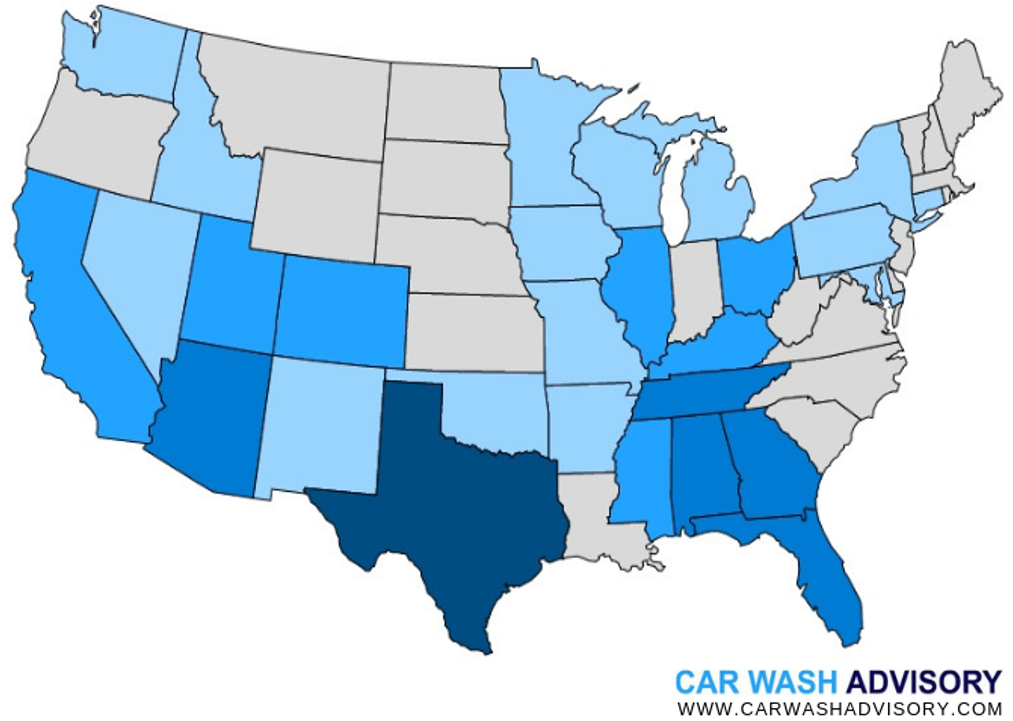




The Definitive Quick Guide: Created and Written by Car Wash Advisory Team
The key reasons using an investment bank to sell your business during economic uncertainty is a strategic decision.